For many people approaching age 65, Medicare feels like something they can figure out later. After all, if you are still working, covered by a spouse’s plan, or simply feeling healthy, it may seem easy to put off enrollment and deal with it when the time feels right....
When most people think about retirement planning, they focus on the big numbers. How much they have saved. How much income they will need. When they want to retire. But there is one factor that quietly works in the background year after year, and if it is not...
By Ian Berger, JD IRA Analyst “Qualified domestic relations orders” (QDROs) are court orders used to divide ERISA retirement plan assets after a divorce. Normally, after a QDRO is approved by a defined contribution plan like a 401(k), the plan will establish a...
By Sarah Brenner, JD Director of Retirement Education The tax-filing deadline is almost here. Are you thinking about making a 2025 IRA (traditional or Roth) contribution? Time is quickly running out. Here are some last-minute tips to keep in mind as you make your IRA...
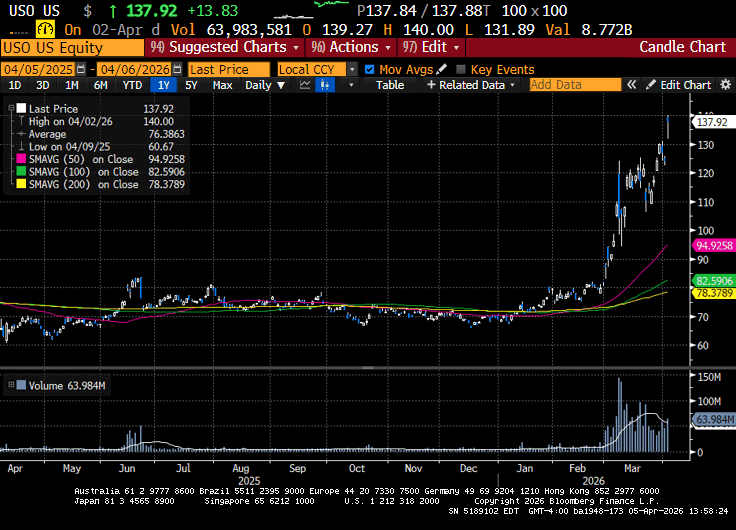
The holiday-shortened week saw US equities advance even as oil prices surged amid uncertainty about the duration of the Iranian conflict. Early in the week, investors bid up risk assets on hopes of a ceasefire. President Trump’s assessment of the ongoing...
Note that the example above uses jQuery to trigger the function call, but you could trigger the function call using any method you wish.fbq('track', 'Lead'); - To track the lead event on the page. Like Thank you page after submitting the lead.
If you have the Thank you page after submitting the lead then you can paste this code on the page and it'll track it as a successful lead.
If instead you wanted to track a standard purchase event when the visitor clicks a purchase button, you could tie the fbq('track') function call to the lead button on your page, like this: